Residential Dumpster Rental I Randy's Clean Out and Dumpster Rental
Key Highlights
- A residential dumpster rental makes waste disposal for home projects simple and efficient.
- Choosing from various dumpster sizes ensures you get the right container for your specific junk removal needs, from attic cleanouts to major renovations.
- The rental process is straightforward, with clear steps for ordering, scheduling prompt delivery, and arranging pickup.
- Understanding the factors that influence cost, such as dumpster size, weight limit, and rental period, helps you find an affordable solution.
- Properly planning your project and knowing what materials are accepted helps you avoid extra fees and get the most value from your rental.
- Roll-off dumpsters are designed for easy placement on your property, making them ideal for managing construction debris and household junk.
Check sizes in your area
Understanding the available dumpster sizes in your vicinity is crucial for successful waste disposal during any home project. Different companies often offer a variety of sizes, accommodating needs such as junk removal, yard waste, or construction debris. Consider the amount of material you plan to discard, as well as any weight limits and the rental period. This will help identify the right size, ensuring efficiency and cost-effectiveness without incurring overage fees or delays in scheduling.
Understanding Residential Dumpster Rental Services in Wisconsin
A residential dumpster rental provides homeowners with a large, open-top container perfect for disposing of waste from various home-based projects. Unlike regular trash pickup, a dumpster service can handle large volumes of material, including bulky items and construction debris. This makes it an ideal choice for cleanouts, remodels, and landscaping work where you generate more trash than your weekly service can accommodate.
Many different companies offer these services, and finding the right one is key to a smooth experience. You can often get online quotes or book your residential dumpster directly through a company’s website, making the process quick and convenient. This allows you to compare options and schedule a waste disposal solution that fits your timeline and budget without leaving your home.
What Sets Residential Dumpster Rentals Apart from Other Options
When you need to manage waste for home projects, a residential dumpster rental provides a level of convenience that other options can't match. These dumpsters are specifically designed for household use, offering a range of sizes suitable for everything from a small garage cleanout to a complete home renovation. Unlike dumpsters for large commercial projects, which are often much larger and more expensive, residential options are tailored to your specific needs.
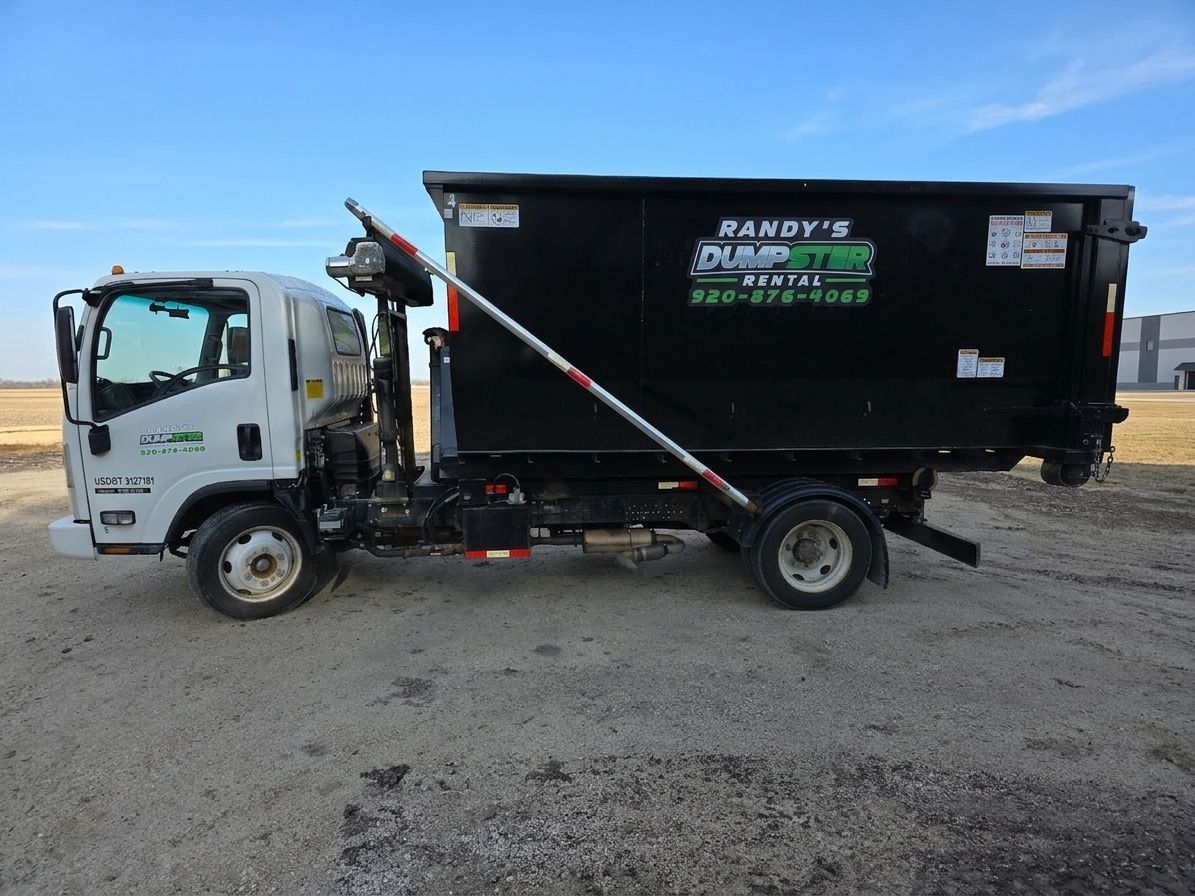
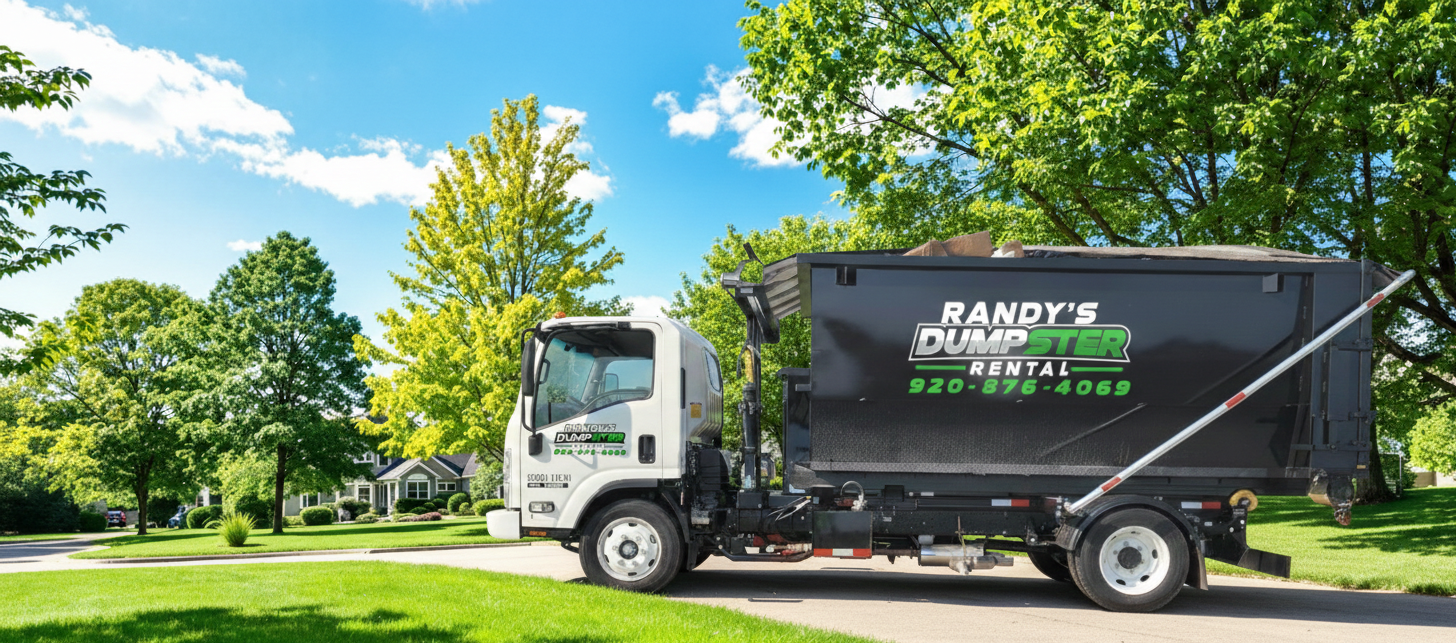
The most common type used for homes is a roll-off dumpster. These containers are delivered on a truck and "rolled off" into a designated spot, typically your driveway. This design makes them easy to place on residential properties without causing damage. Regular dumpsters, often seen behind businesses, are usually smaller with lids and are emptied by a different type of truck on a fixed schedule. The roll-off design provides a large, open-top bin that is easy to load with bulky items.
This distinction is important because it makes the waste removal process much more efficient for homeowners. With a range of roll-off dumpster sizes available, you can select the perfect container to match the scale of your project. This ensures you have enough space for all your debris without paying for a massive dumpster you don’t need.
How Dumpster Rental Service Works for Homeowners
Using a dumpster rental service is a simple, multi-step process designed for your convenience. It starts with choosing the right company and dumpster for your project. You can explore a variety of sizes and get transparent pricing to find a solution that fits your budget. Scheduling is often flexible, with many companies offering easy online ordering or phone support to answer your questions.
Once you have selected your dumpster, you will schedule a delivery time. A professional driver will bring the container to your home and place it on a flat, solid surface like your driveway. You then have the dumpster for a set rental period to fill with your approved junk and debris. It is important to keep the weight limit in mind to avoid additional fees.
When your project is complete or the dumpster is full, scheduling the pickup is just as easy. You can typically request a pickup online or over the phone. The process generally follows these steps:
- Choose your dumpster size and confirm pricing.
- Schedule a convenient delivery date and time.
- Fill the dumpster with your waste within the rental period.
- Contact the company to schedule the final pickup.
Choosing the Right Dumpster Size for Your Project
Selecting the right size dumpster is one of the most important steps in the rental process. If you choose a container that is too small, you may need to rent a second one, adding unexpected costs. If you get one that is too large, you will pay for space you do not use. Dumpster sizes are measured in cubic yards, which refers to the volume of debris the container can hold.
To pick the right size, you need to estimate the amount of junk or construction debris your project will generate. A small project like cleaning out a single room or a garage might only require a 10-yard dumpster. A larger home renovation or major cleanout, however, could need a 20 or 30-yard dumpster. Thinking about the scope of your work ahead of time will help you make an informed decision.
Common Dumpster Sizes and Ideal Uses
Dumpster rental companies offer a variety of sizes to handle projects of any scale. Understanding the capacity of each size helps you match the container to your specific needs. The smallest options are great for minor cleanouts, while the largest are suited for major demolition and renovation debris.
For example, a 10 cubic yard dumpster is often perfect for cleaning out an attic or disposing of materials from a small bathroom remodel. A 20 cubic yard dumpster is one of the most popular sizes, offering enough space for general construction debris, roofing projects, or cleaning out an entire home. If you are tackling a home addition or a large-scale decluttering project before a move, a 30 cubic yard dumpster provides ample room.
Here is a quick guide to common dumpster sizes and their uses:
| Dumpster Size (Cubic Yards) | Ideal For |
|---|---|
| 10 Yard | Attic cleanouts, small demolition, heavy debris like concrete |
| 15 Yard | Bathroom remodels, roofing repairs, festival cleanups |
| 20 Yard | General construction, partial home cleanouts, large roofing projects |
| 30 Yard | Home additions, office cleanouts, decluttering before moving |
Choosing from this variety of sizes ensures you get an efficient and cost-effective solution for your yard waste, old appliances, and other junk.
Deciding on the Best Size for Home Cleanouts, Remodeling, and Yard Projects
When planning your home projects, it is helpful to connect the job with a specific dumpster size. A small-scale task, like clearing out a single room or an attic, typically fits well in a 10-yard dumpster. This size is also suitable for heavy debris like dirt or concrete from a small patio removal, as long as you do not mix it with other waste types.
For more extensive remodeling projects, you will need a larger container. A kitchen or bathroom gut renovation, which produces drywall, cabinets, flooring, and old fixtures, often requires a 15 or 20-yard dumpster. If you are replacing roofing shingles, a 20-yard dumpster is usually the right choice, as it can handle the weight and bulk of the old materials.
Large-scale jobs demand even more space. A full home cleanout, major landscaping overhaul with significant yard waste, or a home addition Attic/Garage Cleanout: A 10-yard dumpster is usually sufficient.will likely need a 30-yard dumpster or larger. To make the best choice, consider the following:
- Attic/Garage Cleanout: A 10-yard dumpster is usually sufficient.
- Kitchen or Bathroom Remodeling: A 15 or 20-yard dumpster works well.
- Roofing Shingles: A 20-yard dumpster is a popular choice.
- Large-Scale Cleanouts or Additions: A 30-yard dumpster is often necessary.
Affordable Dumpster Rental Options Near You
Finding an affordable dumpster rental starts with comparing different companies in your area. Look for providers that offer upfront, transparent pricing. This means the quote they give you includes delivery, pickup, rental period, and a set weight limit, so you are not surprised by hidden fees. Reading local reviews can also provide insight into a company's reliability and customer service. Many customers share their experiences online, which can help you find a trustworthy service.
To find affordable options, start by getting quotes from a few local providers. Many offer online tools to check prices and availability. Look for companies like Randy's Cleanout and Dumpster Rental that prioritize clear communication and fair pricing. Some may even offer next-day delivery, giving you a quick and budget-friendly solution for your waste management needs.
Factors That Affect Residential Dumpster Rental Costs
The cost to rent a residential dumpster is influenced by several key factors. Understanding these elements will help you budget for your project and avoid unexpected charges. The most significant factor is the dumpster size. Larger dumpsters cost more to rent than smaller ones, so choosing from the available range of sizes wisely is crucial for managing your budget.
Your location also plays a role in the final pricing. Landfill disposal fees, fuel costs, and local taxes can vary from one area to another. The length of the rental period is another important consideration. Standard rentals usually last for a week or two, but if you need the dumpster for a longer time, the cost will increase.
- The size of the dumpster you rent.
- The length of your rental period.
- The total weight of the debris you throw away.
- Your specific location and local disposal fees.
Tips for Getting the Best Value from a Dumpster Rental Service
To get the best value from your dumpster rental, planning is essential. Start by getting a clear and detailed quote. A reputable company will provide transparent pricing that outlines all costs, including delivery, pickup, and the weight allowance. This helps you avoid surprises and compare offers from different companies accurately.
When ordering, be realistic about the size you need. While it may be tempting to choose the smallest option to save money, underestimating your debris can lead to needing a second dumpster, doubling your cost. It is often more economical to rent a slightly larger size than you think you will need. Also, be mindful of the rental period. Finish your project within the agreed-upon timeframe to avoid extension fees.
Proper scheduling and loading can also help you save money. Do not fill the dumpster beyond the top rail, as this can lead to safety issues and extra charges. Here are a few tips for getting the best value:
- Choose the right dumpster size for your project.
- Understand the weight limit to avoid overage fees.
- Break down bulky items to maximize space.
- Schedule your delivery and pickup to fit your project timeline.
- Look for a company that offers pricing transparency.
Conclusion
In conclusion, understanding residential dumpster rental services is essential for homeowners looking to streamline their cleanout or renovation projects. By choosing the right size and type of dumpster, you can efficiently manage waste while keeping costs in check. Randy's Clean Out and Dumpster Rental offers a range of affordable options tailored to your specific needs, ensuring that your project runs smoothly. Whether you're tackling a major home renovation or simply decluttering, working with a reliable dumpster rental service makes all the difference. If you're ready to get started or have any questions about scheduling a delivery and pickup, don't hesitate to reach out to us today!
The Right Dumpster Size for You
Selecting an appropriate dumpster size is crucial for efficiency in waste disposal. Residential dumpsters come in a variety of sizes, allowing homeowners to choose based on the nature of their projects, whether they include yard waste, construction debris, or old appliances. Understanding cubic yards can help in making an informed decision. Ordering a dumpster that aligns with your needs not only enhances your junk removal experience but also ensures that you stay within the weight limit, reduces overage fees, and promotes effective recycling.
Frequently Asked Questions
What items are not allowed in a residential dumpster rental?
You cannot dispose of flammable or hazardous materials in a residential dumpster. This includes items like paint, oil, batteries, tires, and medical waste. While many appliances are accepted, some containing refrigerants, like refrigerators, may be prohibited. It is best to discuss the specific junk you plan to throw away with the rental company beforehand. This ensures everything you dispose of is safe for the landfill and helps you avoid extra fees for prohibited items.
How do I schedule a delivery and pickup with Randy's Dumpster Rental Service?
Scheduling with Randy's Dumpster Rental Service is designed to be simple and convenient. You can start by calling our team or using our online ordering system to select your dumpster size and provide your address. We will work with you to find a time for prompt delivery, sometimes as early as the next day. Once your rental period is over or the bin is full, just contact us again to schedule your pickup.
Is a permit required for placing a dumpster at my home in Wisconsin?
Whether you need a permit for a residential dumpster often depends on where you plan to place it. If the container can fit entirely on your private property, like your driveway, a permit is usually not required. However, if you need to place the dumpster on a public street, you will likely need to obtain a permit from your local municipality. It is always a good idea to check your local regulations before your scheduled delivery day, which could be as soon as Monday.
How do I rent a dumpster?
To rent a dumpster, start by researching local providers offering "dumpster rental near me." Compare sizes and prices. Once you find a suitable company, contact them to discuss your needs, schedule delivery, and confirm pick-up times. Ensure you understand rental terms and any additional fees before finalizing your order.
Schedule a Dumpster Rental Today!
Helpful link
See what customers had to say
You might also like